Eco-Friendly Approaches: How E-Waste Recycling Services Are Preserving Our Planet
E-waste poses significant threats to the environment, as disposed electronics frequently harbor hazardous substances. These hazardous substances can contaminate soil and water, leading to broader ecological damage. E-waste recycling initiatives provide a practical answer. They serve the dual purpose of reclaiming precious materials and reducing contamination. Understanding how these services operate and their impact on communities is essential. Pursuing efficient e-waste management brings forth pressing questions regarding individual duties and shared responsibility. What steps can be taken next?
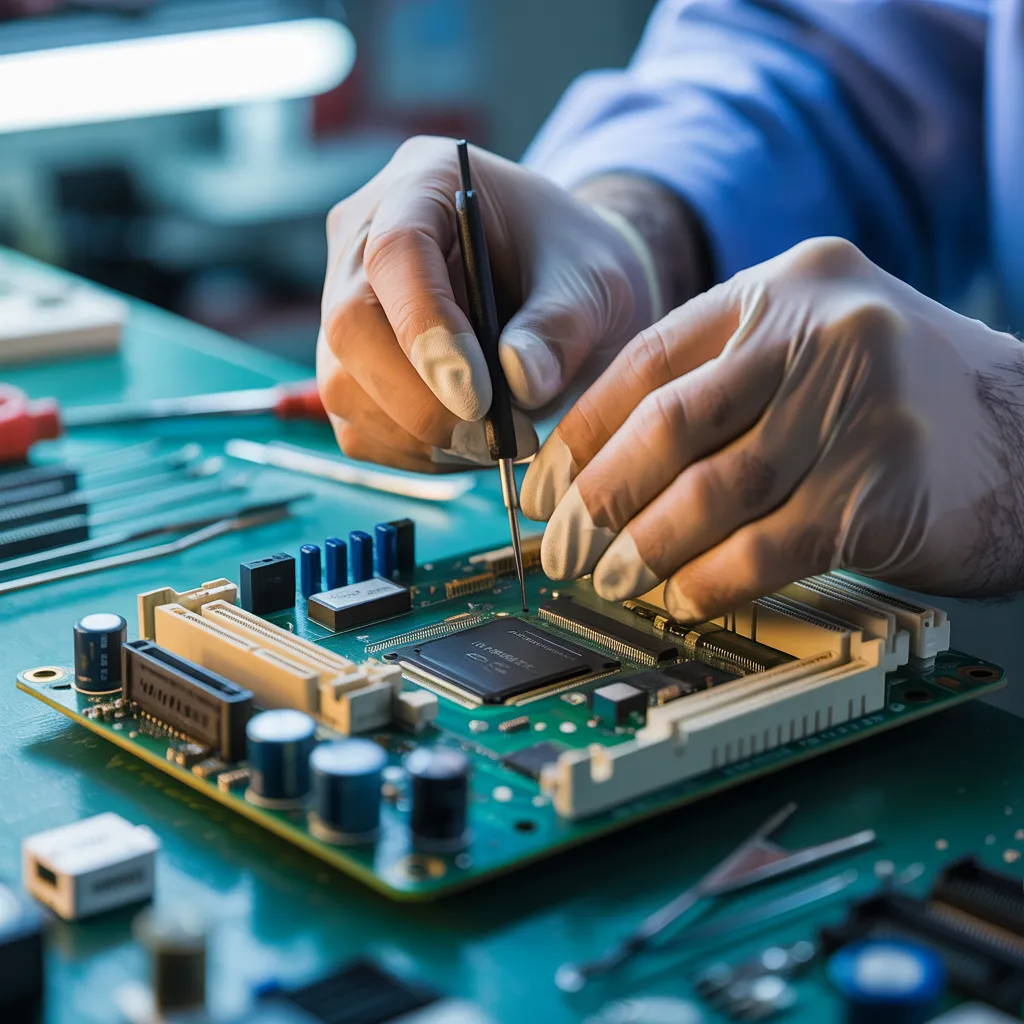
How E-Waste Is Hurting the Planet
Even though technology enriches our daily lives, e-waste creates serious threats to the environment. Disposed electronic equipment, often containing hazardous materials such as cadmium, lead, and mercury, may release harmful substances into the surrounding soil and water supply, posing risks to both wildlife and human well-being. The accelerating rate of technological innovation results in greater consumer replacement of electronic devices, intensifying the growing problem of electronic waste.
Landfills, already burdened with waste, struggle to accommodate the growing volumes of discarded gadgets. Burning, an alternative disposal approach, discharges toxic contaminants into the air, worsening overall air quality. In addition, improper recycling practices can lead to the exportation of e-waste to developing countries, where laborers may dismantle devices without adequate safety measures, exposing themselves to dangerous substances. This ongoing cycle of carelessness and inadequate management emphasizes the pressing necessity for responsible recycling initiatives that can lessen the harmful consequences of e-waste on our world.
What Is E-Waste and Why Does It Matter?
E-waste, or electronic waste, comprises discarded electronic devices such as televisions, computers, and smartphones that have reached the end of their useful life. This rapidly expanding waste category is noteworthy because of its swift buildup, fueled by innovation in technology and shifting consumer habits. As more devices become obsolete, the ecological consequences become more pronounced, with harmful substances like lead, mercury, and cadmium threatening both ecosystems and public health.
The importance of addressing e-waste lies not only in mitigating these hazards but also in recognizing the valuable materials it contains. Critical metals and rare earth components can be reclaimed and recycled, decreasing the reliance on mining and protecting natural resources. Through a deeper awareness of e-waste and its consequences, both individuals and organizations can make well-informed choices regarding disposal and recycling, thereby supporting a more sustainable future. Effective handling of e-waste is vital for encouraging a circular economy and advancing environmental responsibility.
How E-Waste Recycling Works
Recycling e-waste involves a systematic process aimed at reclaiming useful resources while minimizing environmental impact. Initially, discarded electronics are retrieved and sent to purpose-built recycling plants. Upon arrival, the equipment is meticulously organized to isolate dangerous parts from recoverable materials.
Subsequently, technicians deconstruct the devices, recovering metals, plastics, and glass. This step is critical, as it makes possible the reclamation of high-value metals like silver, gold, and copper, which may be utilized in modern electronics.
Next, the divided materials are refined via cutting-edge techniques, such as chemical treatments and shredding, to refine them for further use.
In the final step, the remaining hazardous waste is handled with responsibility, following environmental guidelines. This comprehensive process not only preserves valuable resources but also mitigates the risks linked to unsafe e-waste handling, guaranteeing a greener future for the consumption of electronics.
The Benefits of E-Waste Recycling for You and Your Community
While many individuals may not realize it, the benefits of e-waste recycling go far beyond individual benefit and actively shape entire communities. By carefully processing electronic waste, individuals contribute to a cleaner environment, decreasing toxic components that can seep into soil and water. This responsible method helps preserve local ecosystems and supports public health.
Additionally, e-waste recycling promotes job creation within communities. Local recycling facilities often require personnel for various operations, including collection and processing, consequently creating meaningful employment for local residents. This not only strengthens the regional economy but also fosters community involvement in Begin here eco-friendly practices.
In addition, awareness of e-waste recycling is capable of inspiring community outreach programs, encouraging residents to pursue greener alternatives. By taking part in e-waste recycling programs, individuals promote a culture of sustainability, prompting others to do the same. All things considered, the shared impact of these actions can contribute to a more strong and environmentally aware community.
How to Select an E-Waste Recycling Service
Selecting the best e-waste disposal service is crucial for guaranteeing that e-waste is managed in a responsible and sustainable manner. Initially, people should check the provider's certifications, such as e-Stewards or R2, which indicate adherence to professional guidelines for safe recycling practices. It's also important to examine the organization's standing by reading customer reviews and seeking recommendations from trusted sources.
Moreover, clarity in the recycling process is essential. A reliable provider should offer detailed insights about the manner in which e-waste is managed and how the materials are utilized. Moreover, evaluating the range of services offered can be beneficial; some companies may provide pickup services or offer incentives for recycling.
Furthermore, understanding local regulations regarding e-waste disposal may further shape the selection process. By taking these elements into account, individuals can contribute to efficient electronic waste handling as well as promoting green and responsible behaviors.
Ways You Can Participate in E-Waste Recycling?
Engaging in e-waste recycling can start at the local level, where community recycling hubs regularly supply essential services for responsible disposal. Moreover, joining community awareness campaigns can amplify efforts to educate others about the importance of proper e-waste handling. These actions not only advance environmental sustainability but also foster a collective sense of responsibility toward the environment.
Regional Recycling Centers
Several regional recycling hubs fulfill a critical purpose in electronic waste recycling, supplying communities with reliable ways to discard electronic waste in an eco-friendly way. These facilities handle a variety of electronic equipment, including used computers, handheld devices, and televisions, ensuring that harmful materials are handled safely. Most centers are equipped with experienced team members who help individuals navigate appropriate disposal procedures, highlighting the value of recycling rather than landfilling. Additionally, many centers offer organized drop-off opportunities or appointed collection periods, making participation convenient for residents. By engaging with these local facilities, individuals contribute to a circular economy, reducing environmental impact and promoting sustainable practices. Connecting with these stations allows communities to address e-waste pollution proactively.
Community Education Campaigns
Local organizations, schools, and businesses can collaborate to host events that promote e-waste collection drives. Dedicated participants can take a leading part in raising awareness, sharing informational resources, and connecting with local residents. Through these collective efforts, community members grow more knowledgeable and inspired to dispose of their electronics responsibly, thus playing a meaningful role in creating a more environmentally responsible future.
Questions We Often Receive
What Types of Electronics Can Be Recycled?
Many different electronics may be recycled, including smartphones, computers, laptops, televisions, printers, and gaming consoles. Furthermore, accessories such as batteries, keyboards, and mice are also suitable for recycling, contributing to environmental conservation efforts.
Are There Fees Involved With E-Waste Recycling?
Yes, e-waste disposal sometimes comes with costs, subject to the facility. Some facilities charge fees for gathering or treatment, while others provide no-cost solutions, often subsidized by the proceeds from salvaged materials.
How Can Businesses Benefit From E-Waste Recycling?
Businesses can benefit from e-waste recycling by reducing disposal costs, improving their green reputation, adhering to regulatory requirements, reclaiming useful materials, and creating potential earnings via resale, thus supporting a greener and more sustainable operational framework.
What Occurs with Data on Recycled Devices?
Information from recycled electronics is often irretrievably wiped or destroyed during processing. This confirms sensitive information is kept safe, blocking unwanted intrusion while enabling resources to be recycled carefully and ethically in new products.
Is It Possible to Recycle Damaged Electronics?
Indeed, defective electronics are able to be recycled. Numerous centers accept broken devices, ensuring responsible disposal and retrieval of recoverable materials. This helps minimize environmental impact while fostering eco-friendly recycling methods to address e-waste properly.